






Erling Haaland’s diet sounds less like a standard footballer’s meal plan and more like something pulled from an old Nordic survival manual. While many elite athletes talk about powders, gels, and perfectly measured portions, Haaland has become known for a far more primal approach: eggs, fish, raw milk, honey, thick cuts of beef, and organ meats such as liver and heart. It is an unusual menu, but it fits the image. He is big, fast, relentless, and built for contact. For fans wondering what fuels that machine, the answer seems to be surprisingly simple: real food, taken very seriously.

Roughly 6,000 Calories a Day, Almost All of It Whole Food
Haaland has been reported to consume around 6,000 calories a day, a number that makes sense when you remember what his body is asked to do. A striker at his level is sprinting, jumping, absorbing tackles, recovering, and doing it again a few days later.
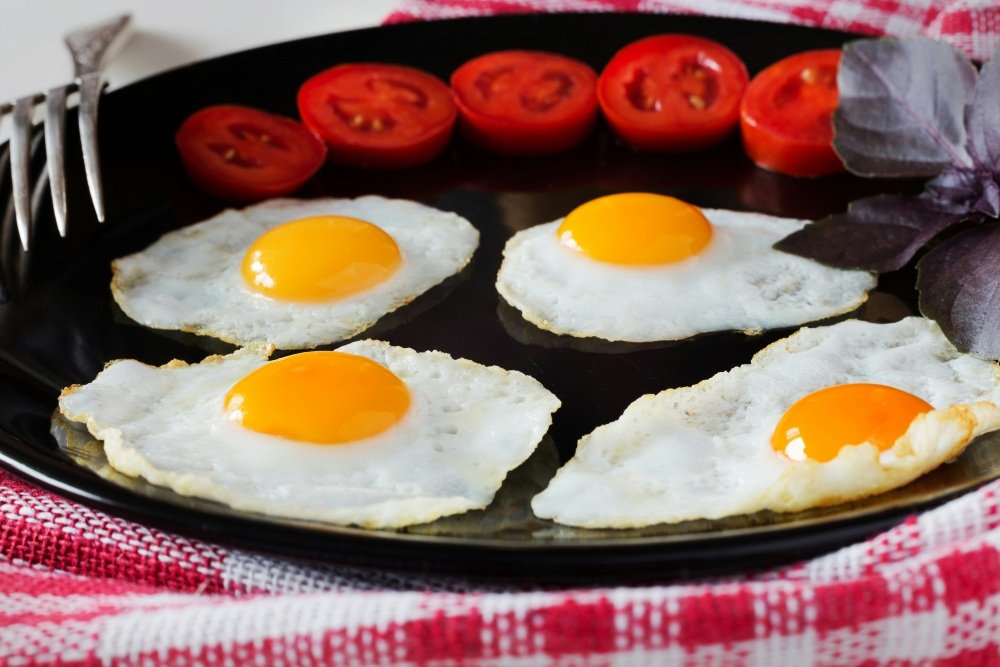
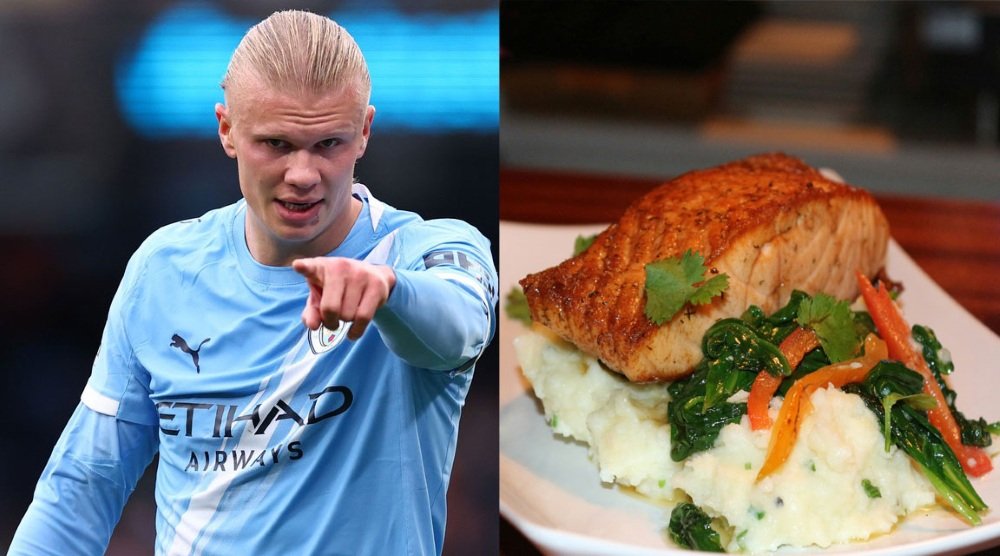
His meals are often described as straightforward and dense. Breakfast may include eggs, sourdough, and coffee with raw milk. Lunch is typically lighter, built around fish, rice, and vegetables. Dinner is where the famous part of the routine appears: ribeye, Tomahawk steak, short ribs, liver, heart, raw milk, and honey.
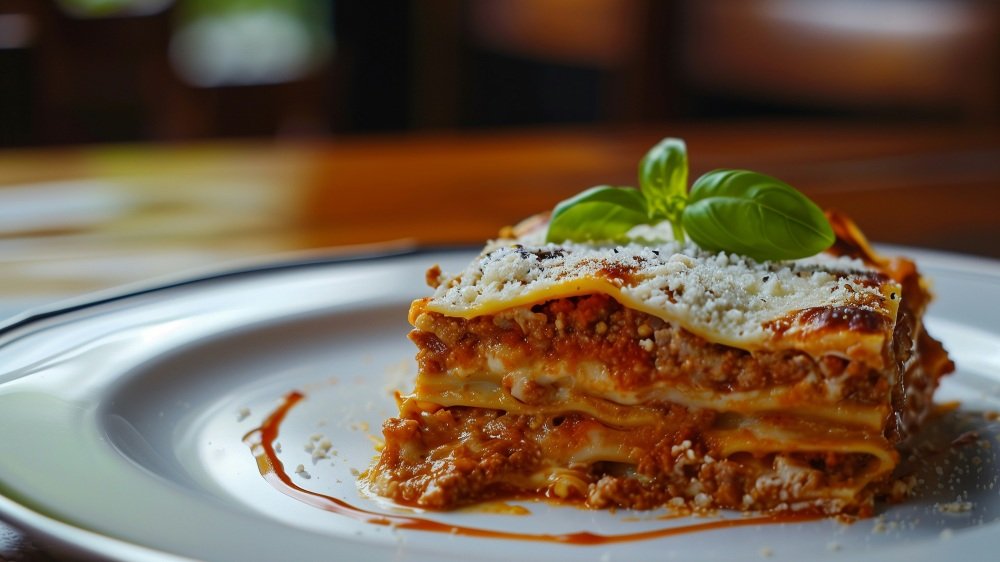
There is also a more comforting tradition tucked inside the routine. Before home matches, his father, Alfie Haaland, has reportedly cooked him lasagne, a habit that became so well known that Pep Guardiola joked about bringing Alfie in to cook for the team.
Why Liver and Heart Are the Real Engine

Haaland has made it clear that he treats food as part of taking care of his body, not just as something to fill him up. His focus is on simple, high-quality ingredients that are as close to their natural form as possible. That is why liver and heart play such an important role in his diet.
Regular steak is valuable because it provides protein, but organ meat brings a much broader nutritional profile. It contains vitamins, minerals, and compounds that support many of the systems an elite athlete relies on every day.
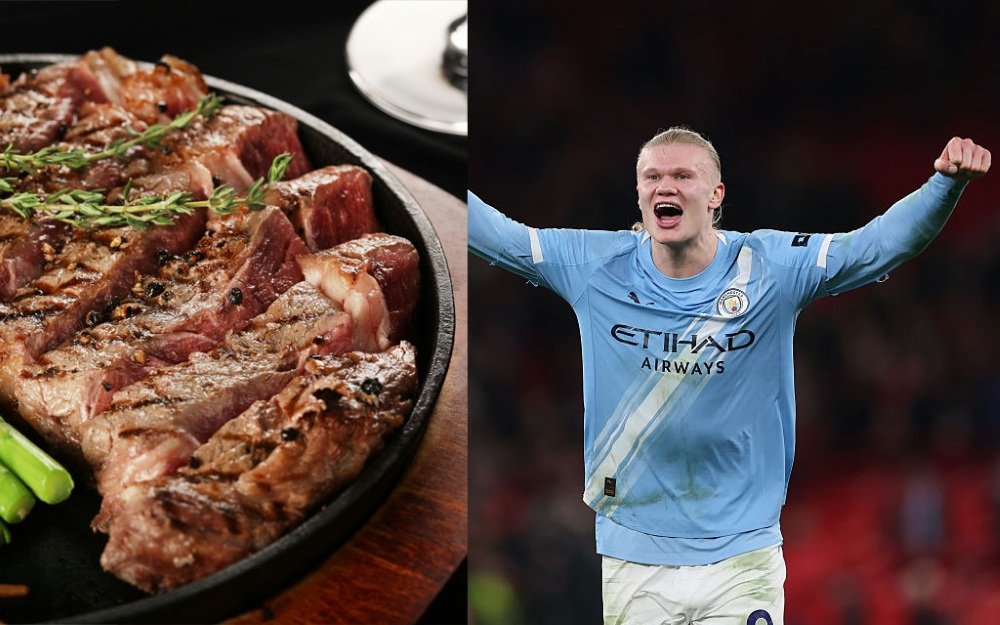
Key nutrients found in liver and heart include:
- Iron: Supports oxygen transport, helping the body deliver oxygen to working muscles.
- Vitamin B12: Helps with red blood cell formation and energy metabolism.
- Vitamin A: Supports vision, immunity, and overall cellular health.
- CoQ10: Found in high amounts in heart tissue and linked to cellular energy production.
- Zinc: Supports immune function, recovery, and tissue repair.
- Copper: Helps with iron use, energy production, and connective tissue health.
- Phosphorus: Plays a role in bone health, muscle function, and energy storage.

That is what makes organ meat different from standard muscle meat. It does not just provide protein; it adds the nutritional “support system” that helps the body use that protein effectively. For a player who needs explosive speed, strength, stamina, and fast recovery, that kind of nutrient density matters.
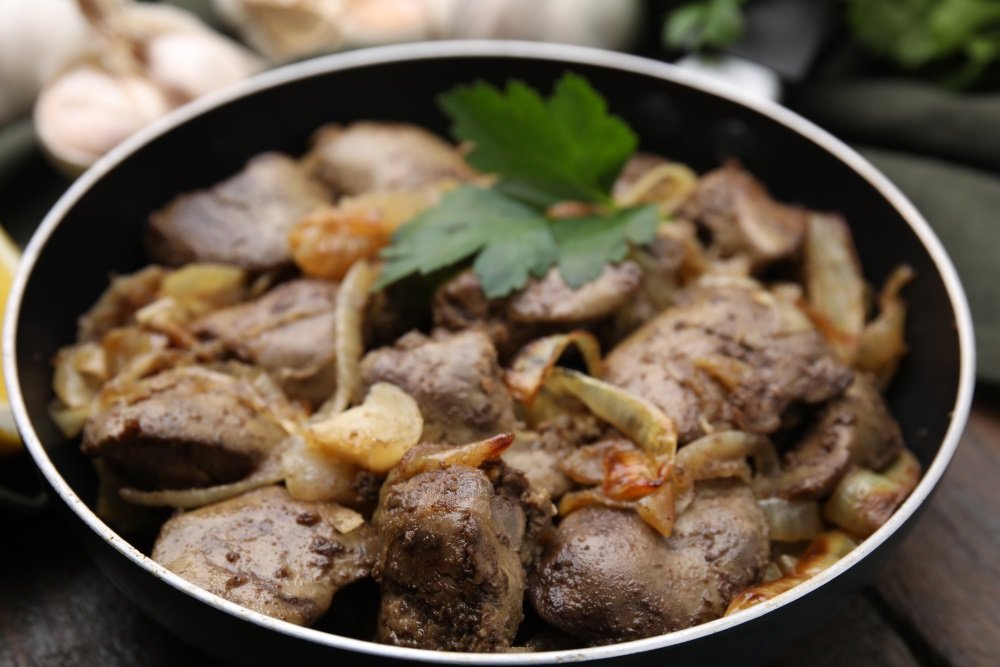
To sum up, Haaland has helped make organ meat look less like an old-fashioned food and more like a serious performance choice.



 4 ч. 20 мин.
 Newbie