






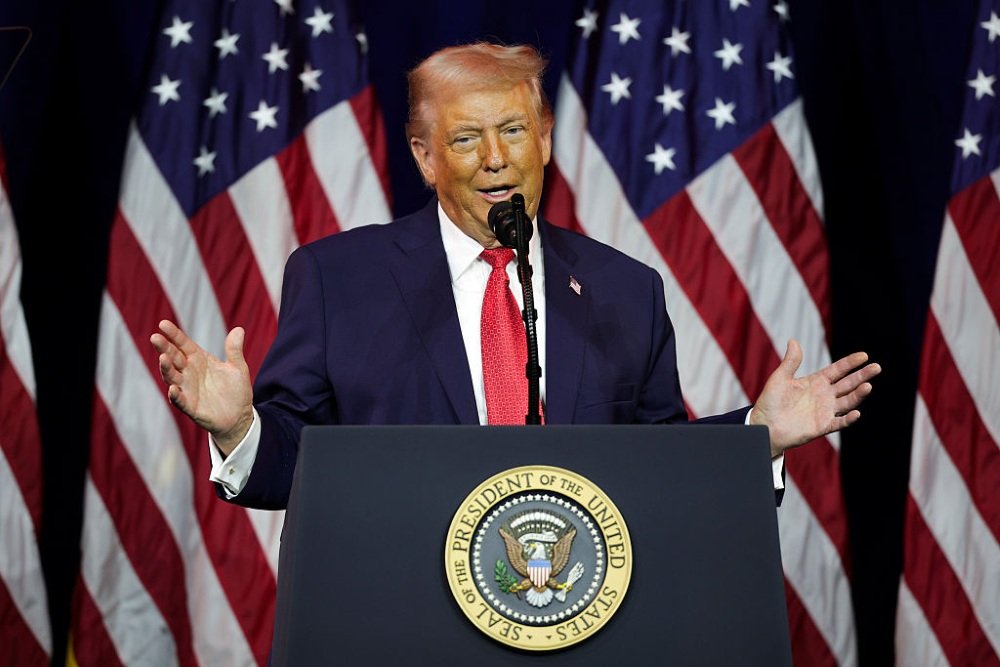
Donald Trump’s eating habits have long fascinated the public, partly because they run counter to nearly every piece of modern nutritional advice. While chefs, nutritionists, and doctors often promote balance and moderation, Trump’s food preferences lean heavily toward fast food, red meat, and sugary drinks. But what would actually happen to your body if you decided to eat the way he reportedly does?
A Menu Heavy on Fast Food

Donald Trump has openly expressed his fondness for fast food chains like McDonald’s, KFC, and Burger King. He has said he prefers these meals because they’re predictable and, in his words, safer. While convenient, a diet dominated by fast food is typically high in calories, saturated fats, sodium, and refined carbohydrates.
Over time, this kind of eating pattern could lead to weight gain, especially if physical activity is limited. Fast food meals are designed to be hyper-palatable, making it easy to consume far more calories than your body actually needs.
Heart Health Could Take a Hit
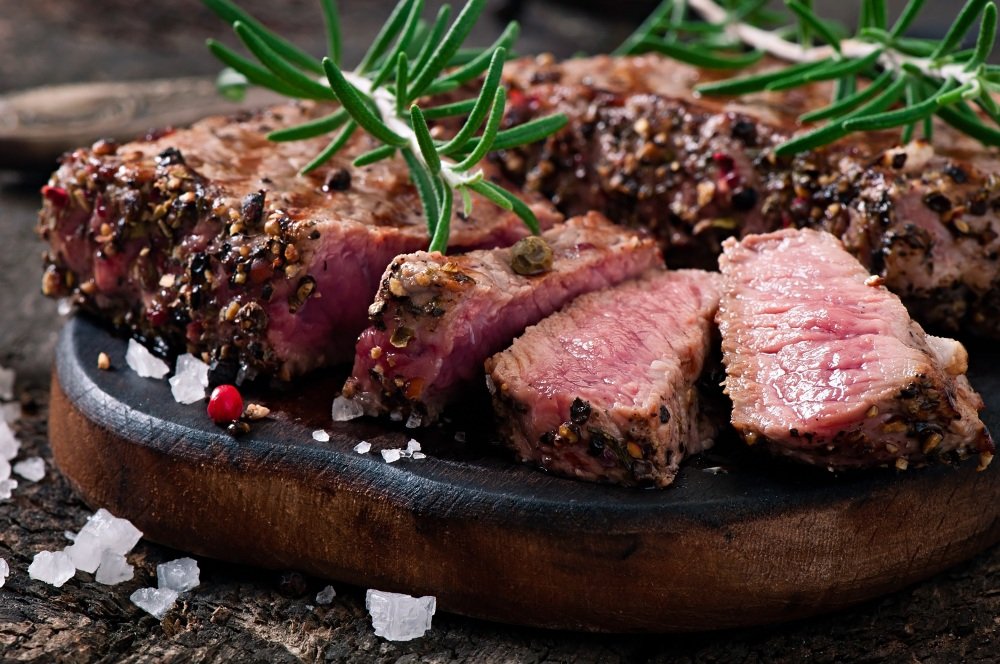
Trump’s well-documented love for steak, burgers, and fried foods means a high intake of saturated fat. While red meat can be part of a balanced diet, eating it frequently and in large portions may increase cholesterol levels. Elevated LDL (“bad”) cholesterol is closely linked to a higher risk of heart disease and stroke.
Add in the sodium-heavy nature of fast food, and blood pressure may also creep upward, putting additional strain on the cardiovascular system.
Energy Levels May Fluctuate
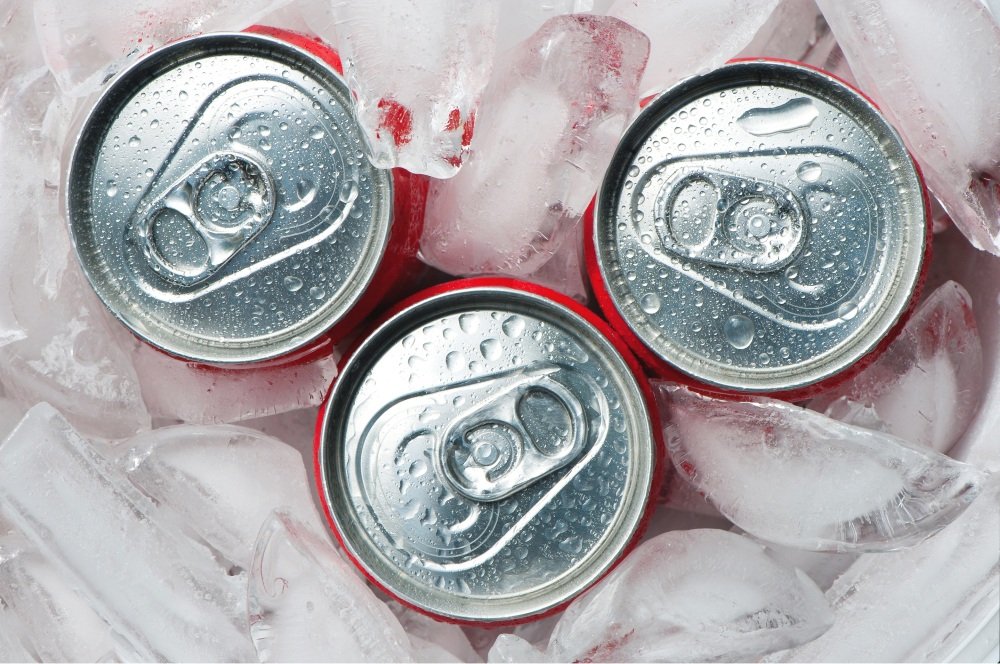
Another signature feature of Trump’s diet is his reported preference for diet soda — particularly Diet Coke. While sugar-free, diet sodas still contain caffeine and artificial sweeteners, which may affect energy levels and appetite regulation in some people.
Meals high in refined carbs and low in fiber can cause sharp spikes and crashes in blood sugar. The result? Brief bursts of energy followed by fatigue, sluggishness, and cravings for more quick-fix foods.
Digestive Health Might Suffer

Trump is famously not a fan of vegetables, which means his diet may lack adequate fiber. Fiber is essential for healthy digestion, gut bacteria balance, and regular bowel movements. Without it, constipation and digestive discomfort can become more common.
A low intake of fruits, vegetables, and whole grains also means fewer vitamins, minerals, and antioxidants — nutrients your body relies on for immune function and long-term health.
Short-Term Satisfaction, Long-Term Consequences
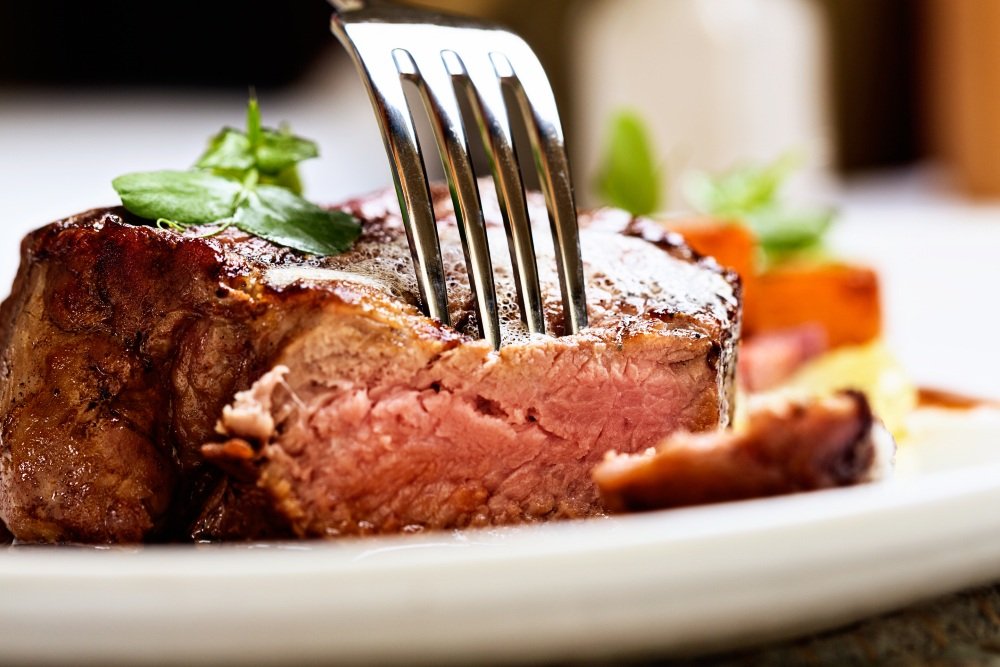
One reason Trump’s diet appeals to many people is its simplicity. There’s no calorie counting, no complicated meal prep, and plenty of indulgent flavors. In the short term, it can feel satisfying and convenient.
However, over the long run, consistently eating this way could increase the risk of obesity, type 2 diabetes, heart disease, and nutrient deficiencies — especially if not balanced with exercise or healthier food choices.
The Bottom Line
Copying Donald Trump’s diet might feel fun or easy at first, especially if you love burgers, fries, and soda. But your body thrives on variety, moderation, and nutrients that fast food simply can’t provide in sufficient amounts.
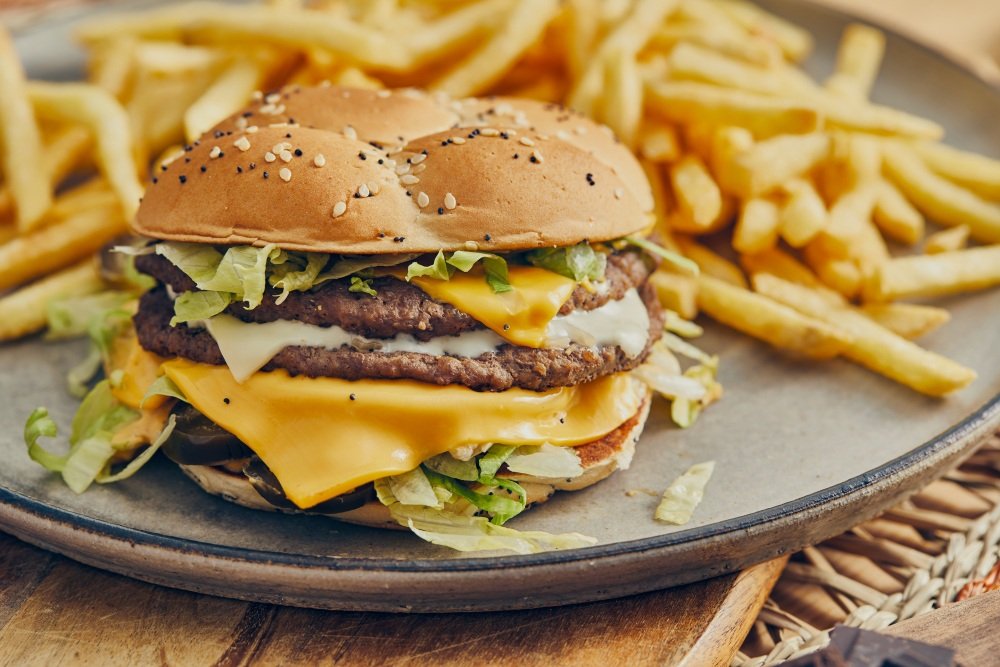
An occasional indulgence won’t derail your health — but making it a lifestyle could. As with most things in nutrition, balance matters far more than copying anyone else’s plate, even a former president’s.



 15 min.
 Newbie